
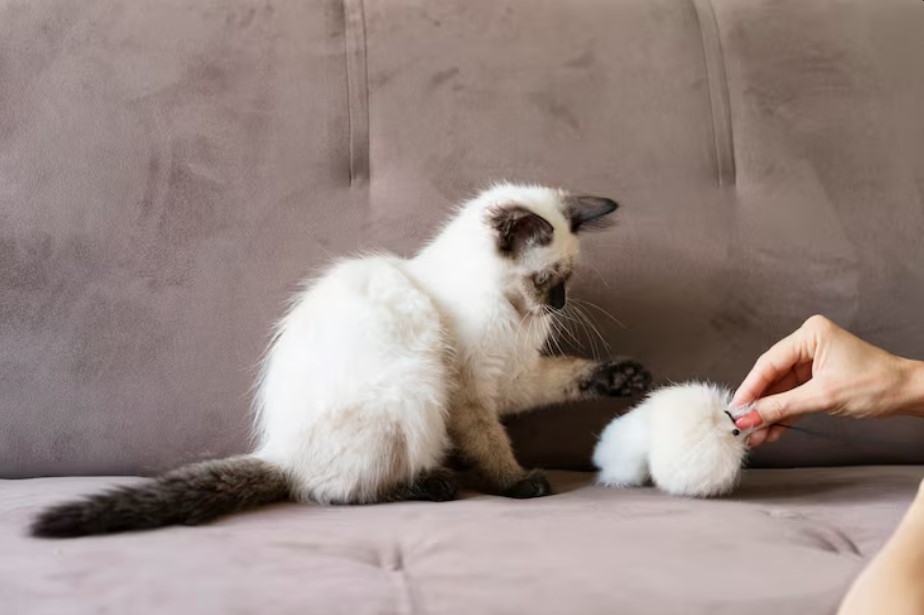
If your cat is constantly scratching, over-grooming, or acting irritated for no clear reason, there’s a good chance fleas are the culprit. Fleas aren’t just annoying—they can cause skin infections, allergies, anemia, and even transmit tapeworms. The good news? With the right cat flea treatment, you can eliminate fleas quickly and prevent them from coming back.
This guide breaks down what truly works, what to avoid, and how to choose the best flea treatment for cats—especially if you’re overwhelmed by product options or worried about safety.
Why Flea Control for Cats Is Non-Negotiable
Fleas reproduce at an alarming rate. A single flea can lay up to 50 eggs per day, and those eggs don’t just live on your cat—they fall into carpets, bedding, and furniture. That means skipping flea prevention for “just a few weeks” can quickly turn into a full-blown infestation.
Untreated fleas can lead to:
-
Flea allergy dermatitis (FAD)
-
Hair loss and inflamed skin
-
Secondary bacterial infections
-
Tapeworms
-
Severe anemia in kittens or senior cats
Using a consistent cat flea treatment isn’t just about comfort—it’s about long-term health.
Understanding How Flea Treatments for Cats Work
Not all flea products do the same thing. Some kill adult fleas instantly, while others break the flea life cycle by stopping eggs and larvae from developing.
Main types of flea treatments include:
-
Topical spot-on treatments
-
Oral flea medications
-
Flea collars
-
Flea shampoos and sprays
-
Environmental flea control
Choosing the right option depends on your cat’s age, lifestyle, and sensitivity.
Topical Spot-On Cat Flea Treatment (Most Popular Choice)
Spot-on treatments are applied to the skin at the back of your cat’s neck. They spread through natural skin oils and kill fleas on contact.
Why cat parents love them:
-
Easy monthly application
-
Long-lasting protection (usually 30 days)
-
Kills adult fleas and sometimes eggs
Well-known options include brands like Frontline and Advantage, which are widely vet-recommended.
Best for: Indoor and outdoor cats needing consistent protection.
Oral Flea Medications for Cats
Oral flea treatments come as tablets or flavored chews. Once ingested, they kill fleas when they bite your cat.
Pros:
-
No residue on fur
-
Great for cats sensitive to topical products
-
Fast-acting in many cases
Cons:
-
Requires your cat to swallow a pill
-
Some products need a vet prescription
This option works well for cats that dislike topical applications or grooming afterward.
Flea Collars: Are They Still Effective?
Modern flea collars are very different from older versions. Newer designs release active ingredients slowly over several months.
Advantages:
-
Long-term protection (up to 8 months)
-
Cost-effective over time
Things to watch out for:
-
Ensure the collar is specifically labeled for cats
-
Avoid collars with strong chemical odors
-
Remove immediately if irritation occurs
Flea collars can be useful but should never replace environmental flea control.
Natural and Gentle Cat Flea Treatment Options
Some cat owners prefer gentler or chemical-free solutions. While these can help with prevention or mild flea issues, they may not eliminate heavy infestations.
Common natural approaches include:
-
Diatomaceous earth (food-grade only)
-
Frequent flea combing
-
Washing bedding in hot water
-
Vacuuming daily during infestations
Important: Essential oils like tea tree or eucalyptus are toxic to cats and should never be used.
Best Flea Treatment for Cats: How to Choose the Right One
There’s no single “best” product for every cat. The best flea treatment for cats depends on lifestyle, health, and exposure risk.
Choose based on:
-
Indoor vs outdoor lifestyle
-
Age (kitten vs adult cat)
-
Sensitivity or skin allergies
-
Multi-pet households
-
History of flea infestations
For severe or recurring flea problems, combining a topical treatment with environmental control works best.
Can You Use Dog Flea Treatment on Cats?
This is one of the most important safety questions—and the answer is NO.
❌ Can you use dog flea treatment on cats?
Absolutely not.
Dog flea products often contain permethrin, which is highly toxic to cats. Even small exposure can cause:
-
Tremors and seizures
-
Drooling and vomiting
-
Difficulty walking
-
Life-threatening neurological damage
Always read labels carefully and use only products specifically formulated for cats. If your cat is accidentally exposed, seek veterinary care immediately.
How to Apply Cat Flea Treatment Correctly
Incorrect application reduces effectiveness and increases risk.
Best practices:
-
Apply to clean, dry skin
-
Part the fur to expose skin
-
Apply at the base of the neck (where your cat can’t lick)
-
Keep cats separated until dry (in multi-cat homes)
-
Do not bathe your cat 24–48 hours after application
Consistency is key—missing doses allows fleas to return.
Treating Your Home Alongside Your Cat
Even the strongest cat flea treatment won’t work if your home remains infested.
Essential home steps:
-
Vacuum carpets, furniture, and corners daily
-
Wash cat bedding weekly in hot water
-
Dispose of vacuum bags immediately
-
Consider pet-safe household flea sprays if needed
This breaks the flea life cycle and speeds up results.
When to See a Vet for Flea Problems
Consult your vet if:
-
Your cat has open sores or severe hair loss
-
Fleas persist despite treatment
-
Your cat shows lethargy or anemia
-
You have kittens under 8 weeks old
A vet can recommend prescription-strength solutions tailored to your cat.
Frequently Asked Questions About Cat Flea Treatment
1. What is the safest cat flea treatment?
The safest cat flea treatment is one specifically formulated for cats, vet-approved, and appropriate for your cat’s age and weight. Topical spot-ons and prescription oral medications are commonly recommended.
2. What is the best flea treatment for cats with sensitive skin?
For sensitive cats, oral flea medications or gentle topical treatments with fewer additives often work best. Always do a patch test and consult your vet if irritation occurs.
3. Can you use dog flea treatment on cats if the dose is smaller?
No. Even a reduced dose of dog flea treatment on cats can be extremely dangerous. Dog products contain ingredients that are toxic to cats regardless of dosage.
4. How often should cat flea treatment be applied?
Most treatments are applied once every 30 days. Always follow the product label, and never double-dose if you miss an application.
5. Do indoor cats really need flea treatment?
Yes. Fleas can enter homes through clothing, shoes, or other pets. Indoor cats are still at risk and benefit from preventive cat flea treatment.
Final Thoughts: A Flea-Free Cat Is a Happier, Healthier Cat
Fleas are persistent, but they’re not unbeatable. Choosing the right cat flea treatment, using it consistently, and treating your home environment can completely eliminate flea problems. Most importantly, never take risks with unsafe products—especially when it comes to using dog flea treatment on cats.
With the right approach, your cat can stay itch-free, comfortable, and protected all year round.